
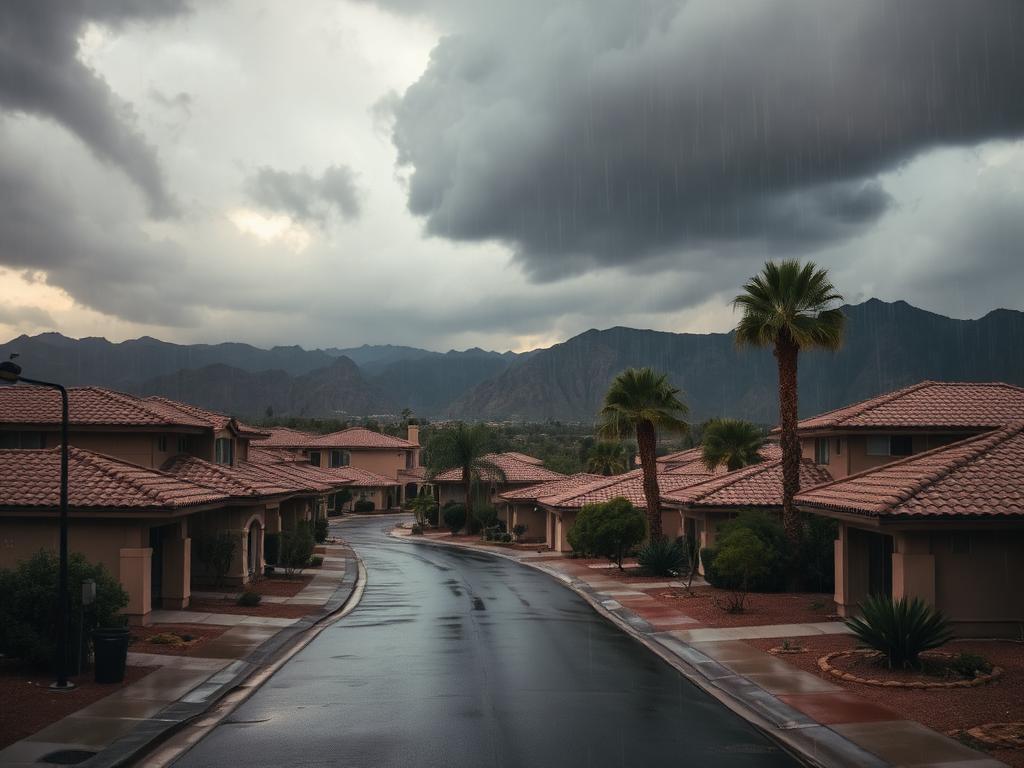
The Complete El Niño Survival Guide for Coachella Valley Homeowners
A wet winter is a different kind of test for a desert home. Roofs here spend most of the year shedding sun rather than water, yards are graded for dust rather than runoff, and plenty of condensers sit in the lowest corner of the lot. None of that matters in a normal December — and all of it matters during an El Niño winter.
This is an evergreen resource, not a storm alert. It walks through every system worth checking before the first rain of the 2026–2027 season, what each inspection actually involves, and which jobs are reasonable to handle yourself versus worth a licensed pro. There's no urgency being manufactured here: the goal is that you understand your own home well enough to make a calm decision either way.
That's the whole reason Local More Local exists. Understand your home first. Then decide whether to DIY or hire with confidence.
Jump to a section
Twelve areas of the home, each with an inspection list and a plain answer on DIY versus pro.
Your El Niño preparation checklist
Work through it in any order. Nothing is stored or sent anywhere — it's a scratch pad for your own walkthrough.
Desert roofs spend most of the year shedding sun, not water. Flashing, sealant, and tile underlayment are usually the first things to fail in a long rain.
Usually DIY
Visual inspection from the ground, clearing light debris, photographing problem spots.
Usually a pro
Walking a tile roof, replacing underlayment or flashing, resealing flat roof seams.
Desert heat cooks weatherstripping and caulk until it shrinks and cracks. Wind-driven rain finds those gaps first.
Usually DIY
Weatherstripping, door sweeps, exterior caulk, clearing weep holes.
Usually a pro
Window reglazing, frame or sill replacement, stucco repair around openings.
Rain itself won't hurt a properly installed condenser — standing water, debris, and a heating side that hasn't run in eight months will.
Usually DIY
Filter changes, clearing debris, test-running the heat, hosing off the coil.
Usually a pro
Electrical repairs, refrigerant work, raising or re-pouring the condenser pad, heat exchanger inspection.
Wet weather plus outdoor circuits is where most storm-season electrical trouble starts, along with the surges that follow an outage.
Usually DIY
GFCI testing, swapping outlet covers, labeling the panel.
Usually a pro
Any panel work, surge protection installation, replacing outdoor circuits or damaged wiring.
Most Coachella Valley yards were graded to move dust, not inches of rain. Drainage is the single highest-value thing to fix before winter.
Usually DIY
Clearing drains, adding splash blocks and downspout extensions, sandbagging.
Usually a pro
Regrading, French drain installation, dry wells, driveway trench drains.
Heavy rain dilutes chemistry, floats debris into the skimmer, and can overwhelm equipment pits — but draining a pool before a storm is usually the wrong move.
Usually DIY
Chemistry correction, skimming, clearing the deck, basket cleaning.
Usually a pro
Flooded equipment, tripped or damaged pumps, plaster staining, deck drainage.
Decomposed granite moves, palms drop heavy fronds, and shallow-rooted desert trees lean hard in saturated soil.
Usually DIY
Irrigation scheduling, light trimming, clearing debris, refreshing gravel.
Usually a pro
Large palm and tree work, retaining walls, erosion control, regrading planters.
Rain pushes ground-dwelling pests indoors and standing water breeds mosquitoes for weeks afterward.
Usually DIY
Sealing gaps, removing standing water, exterior baits and barriers.
Usually a pro
Termite inspection and treatment, rodent exclusion, persistent scorpion activity.
Storm outages here are usually short, but flooded roads and closed washes can isolate a neighborhood for a day.
Usually DIY
Everything on this list.
Usually a pro
Standby generator installation and transfer switch wiring.
Standard homeowners policies cover sudden water damage from above, not rising water from the ground. Knowing the difference before a claim matters.
Usually DIY
Documentation, policy review, photo inventory.
Usually a pro
Public adjuster or licensed agent review for complex or high-value properties.
A vacant home during a storm is the worst-case scenario: a small leak runs for weeks before anyone sees it.
Usually DIY
Shutoffs, sensors, contact lists, cloud photo backups.
Usually a pro
Home watch service, smart shutoff installation, remote monitoring setup.
What you do in the first 48 hours after water gets in usually determines whether it becomes a repair or a remediation.
Usually DIY
Documentation, drying small wet areas, debris cleanup.
Usually a pro
Standing water, saturated drywall or insulation, any suspected mold, structural damage.
The rest of the El Niño library
This hub is the parent page for a growing set of deeper articles. Each one links back here, to related articles, and to the tools you'd actually use to make a decision. Here's what's covered and what's on the way.
Preparing your home
- ·Home preparation checklist
- ·Roof inspection guide
- ·Window & door weatherproofing
- ·Gutter and scupper inspection
- ·Tree trimming before winter
Water & flood protection
- ·Yard drainage guide
- ·French drains explained
- ·Foundation water protection
- ·Preventing garage flooding
- ·Sump pumps — when they matter here
HVAC
- ·Can rain damage your AC?
- ·Protecting outdoor condensers
- ·Replacing an aging system before winter
Plumbing
- ·Outdoor plumbing winter checklist
- ·Irrigation shutoff tips
- ·Water heater maintenance
Electrical
- ·Generator guide
- ·GFCI protection
- ·Whole-home surge protection
Pool & landscape
- ·Preparing pools for heavy rain
- ·Desert landscaping during El Niño
- ·Preventing erosion
Pest control
- ·Why heavy rain increases pest activity
- ·Rodent prevention
- ·Mosquito prevention
- ·Termite risks after wet winters
Insurance
- ·What homeowners insurance covers
- ·Flood insurance explained
- ·Documenting your home before storms
Snowbird homes
- ·Leaving your desert home during El Niño
- ·Home watch checklist
- ·Remote monitoring tips
After the storm
- ·Roof damage inspection
- ·Water damage checklist
- ·Mold prevention
- ·Filing insurance claims
Keep reading
Home Service Costs (2025)
Realistic price ranges for pool, HVAC, roofing, plumbing, electrical, landscaping, and other common repairs.
Bathroom Remodel Costs (2026)
Realistic 2026 bathroom remodel cost ranges for the Coachella Valley — cosmetic to luxury, line-item pricing, DIY vs. pro, and how to budget before you request quotes.
Surviving a Heat Wave
NOAA heat records for Palm Desert, Rancho Mirage, Indio, Indian Wells, and La Quinta — what extreme heat does to an AC system, and how to keep yours running through it.
Browse by topic
El Niño questions Coachella Valley homeowners ask
Does El Niño actually affect the Coachella Valley?
Yes, though not every El Niño winter is wet here. El Niño shifts the Pacific storm track, which historically raises the odds of stronger, wetter winter storms across Southern California including the low desert. The practical takeaway isn't a rainfall forecast — it's that desert homes are built to shed sun rather than water, so the same storm causes more damage here than it would elsewhere.
When should I start preparing my home for El Niño?
Before the first storm of the season, ideally in early fall. Roofers, drainage contractors, and tree services book out quickly once rain is in the forecast, and emergency pricing is meaningfully higher than scheduled work. Inspections and drainage fixes are the two things worth doing early.
What's the most important thing to fix before heavy rain?
Drainage, then the roof. Most Coachella Valley yards are graded for dust control and shallow runoff, not for inches of rain in a few hours. Water that pools against a slab or funnels into a garage does more damage — and is more expensive to remediate — than most roof leaks.
Can rain damage my air conditioner?
A properly installed outdoor condenser is designed to get wet, so ordinary rain is not a problem. The real risks are standing water around a unit sitting too low, debris packed into the coil, corroded or unsealed electrical connections, and lightning or post-outage surges. Clearing the area and testing the heating side before winter handles most of it.
Which El Niño prep tasks can I do myself?
Visual inspections, clearing drains and debris, replacing weatherstripping and caulk, testing GFCI outlets, staging sandbags, adjusting irrigation, and documenting your home for insurance are all reasonable DIY jobs. Roof walking, regrading, French drains, panel work, large tree removal, and anything involving standing water and electricity are pro jobs.
How much does storm preparation cost in the Coachella Valley?
It varies widely by property. A professional roof inspection is typically a few hundred dollars, drainage corrections range from minor grading to multi-thousand-dollar French drain systems, and tree trimming depends on the number and size of palms. Use the project cost calculator for a localized range before you request quotes.
Does homeowners insurance cover flood damage?
Generally no. Standard policies cover sudden water intrusion from above, such as a roof leak during a storm, but exclude surface water and flooding from the ground. Flood coverage is a separate policy. Check your specific exclusions and your flood zone before the season starts.
What should I do first if water gets into my home?
Photograph everything before you move or clean anything, stop the source if you safely can, and get air moving on wet materials within 24 to 48 hours — that window is what usually determines whether you're drying a room or replacing it. Then report the claim and keep a written log of every conversation.
Before you call anyone
Understand your home first. Then decide whether to DIY or hire with confidence.
- Understand what's actually happening at your house
- Find out whether it's a reasonable DIY job
- Know the right questions to ask a contractor
- Compare multiple trusted pros without handing out your phone number or email
Your contact details stay private until you choose to contact a contractor.