
DIY Desert Pest Control: Safe, Natural Solutions That Actually Work
Learn safe, natural, and pet-friendly ways to control desert pests like scorpions, ants, spiders, and cockroaches. Protect your Coachella Valley home without harsh chemicals.
3-minute read · Updated August 4, 2026
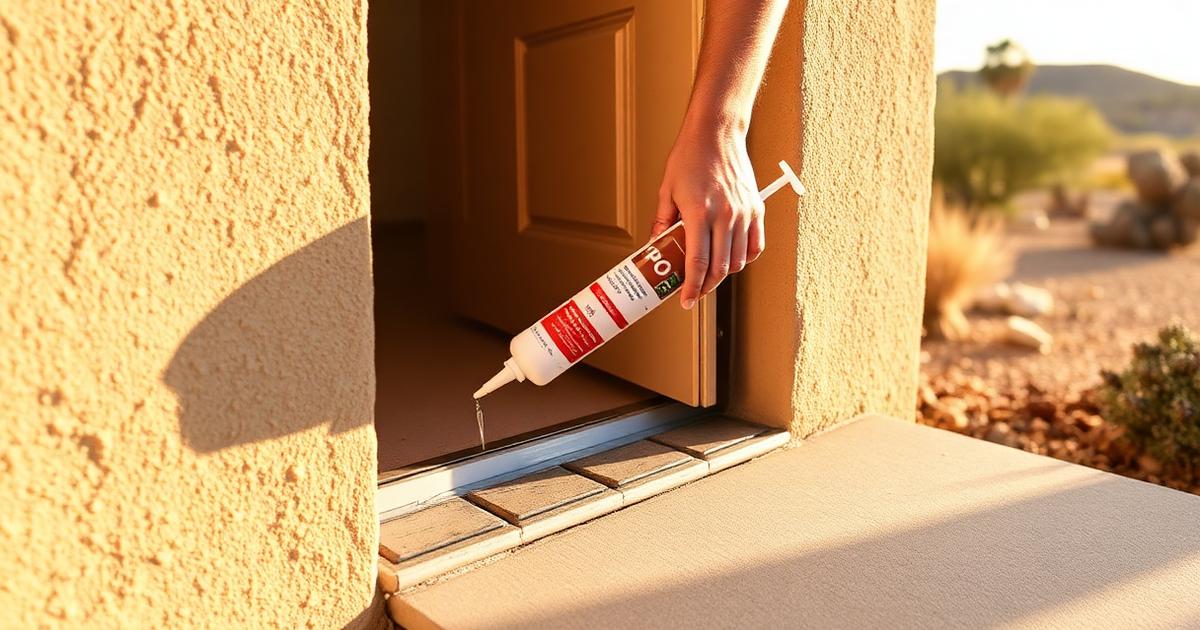
Living in the Coachella Valley means sharing the desert with a few unwanted guests. While scorpions, ants, spiders, cockroaches, and rodents are common, many infestations can be prevented with simple, safe, and affordable DIY methods.
Before reaching for harsh pesticides, try these natural and pet-friendly solutions to help protect your home.
Most desert pests don't appear out of nowhere — they sneak in through small openings. Inspect and seal:
- Door thresholds
- Window frames
- Garage door gaps
- Utility pipe openings
- Dryer vents
- Cracks in stucco or foundation
A simple tube of exterior-grade silicone caulk or weatherstripping can eliminate many entry points.DIY difficulty: Easy.
Pests come inside looking for two things: food and water. Reduce the invitation by:
- Wiping kitchen counters daily
- Storing pet food in sealed containers
- Fixing dripping faucets
- Emptying standing water
- Cleaning under appliances
- Taking out trash regularly
Even a small water leak can attract insects in the desert.
One of the safest natural pest control products is food-grade diatomaceous earth. It works by damaging the outer layer of crawling insects, causing them to dehydrate. Apply a light dusting around:
- Garage walls
- Baseboards
- Patio doors
- Under sinks
- Around the home's perimeter
Pet friendly: Yes, when using food-grade diatomaceous earth as directed and avoiding airborne dust during application.
Many homeowners use peppermint oil as a natural spider deterrent. Mix 10–15 drops of peppermint essential oil, 2 cups of water, and a small amount of mild dish soap. Spray around:
- Windows
- Door frames
- Patio furniture
- Garage corners
While evidence for essential oils is mixed, many homeowners report reduced spider activity when used regularly.
If ants are marching through your kitchen, white vinegar can help remove the scent trails they use to navigate. Mix equal parts white vinegar and water, spray directly on ant trails, then wipe clean. This doesn't eliminate the colony, but it can disrupt foraging behavior and discourage repeat traffic.
Dense vegetation creates hiding places for insects and rodents. Trim back:
- Bushes
- Palm fronds
- Ground cover
- Decorative grasses
Keep plants at least 12–18 inches away from your home's exterior whenever practical to reduce pest harborage.
Scorpions and spiders love cool, protected hiding places. Move these away from your foundation:
- Firewood
- Cardboard boxes
- Unused pots
- Lumber
- Rock piles
The fewer hiding places you provide, the fewer pests you'll attract.
Bright white lights attract flying insects, which in turn attract spiders and other predators. Consider switching exterior lights to warm or amber "bug" bulbs, especially near entryways.
Garages are often the first stop for desert pests. Sweep regularly and avoid storing cardboard directly on the floor — use plastic storage bins instead, since they're less attractive to insects and rodents.
If you're seeing frequent scorpions, large ant colonies, rodent activity, termite damage, or recurring infestations despite prevention efforts, it's time to bring in a licensed pest control professional. Early treatment is often less expensive — and less disruptive — than waiting for the problem to grow.
Not sure where the line is? Our DIY vs. hire a pro guide walks through how to judge risk, cost, and complexity, and the project calculator gives you a local price range before you request quotes.
- Seal cracks and gaps
- Eliminate standing water
- Store food securely
- Apply food-grade diatomaceous earth
- Spray peppermint solution around entry points
- Remove clutter from the yard
- Trim landscaping away from the home
- Switch to bug-friendly outdoor lighting
- Inspect your garage regularly
What pests are most common in the Coachella Valley?
Scorpions, ants, spiders, cockroaches, rodents, termites, and occasional wasps are among the most common desert pests.
Is peppermint oil effective for pest control?
Peppermint oil may help repel some spiders and insects, but results vary. It's best used as part of a broader prevention strategy rather than as a standalone solution.
Is food-grade diatomaceous earth safe around pets?
Food-grade diatomaceous earth is generally considered safer than chemical insecticides when used according to the label. Avoid creating airborne dust, and keep pets away until the dust has settled.
How can I prevent pests without using pesticides?
Sealing entry points, removing food and water sources, maintaining landscaping, reducing clutter, and using natural deterrents can significantly reduce pest activity without relying on chemical sprays.
How often should I inspect my home for pests?
A quick inspection every month — and a more thorough inspection at the beginning of each season — is a good practice for desert homeowners.
Need help?
Some pest problems are easy to manage yourself. Others require professional treatment to protect your home and family. Use Local More Local to compare trusted local pest control professionals, understand your options, and hire with confidence.
Keep reading
Keep reading
Home Service Costs (2025)
Realistic price ranges for pool, HVAC, roofing, plumbing, electrical, landscaping, and other common repairs.
Bathroom Remodel Costs (2026)
Realistic 2026 bathroom remodel cost ranges for the Coachella Valley — cosmetic to luxury, line-item pricing, DIY vs. pro, and how to budget before you request quotes.
Surviving a Heat Wave
NOAA heat records for Palm Desert, Rancho Mirage, Indio, Indian Wells, and La Quinta — what extreme heat does to an AC system, and how to keep yours running through it.
Browse by topic